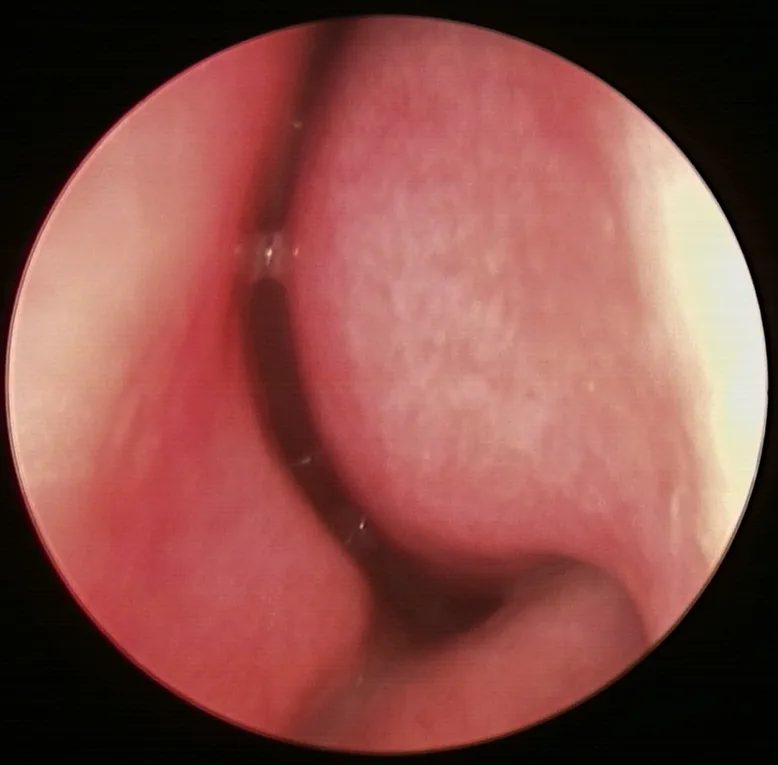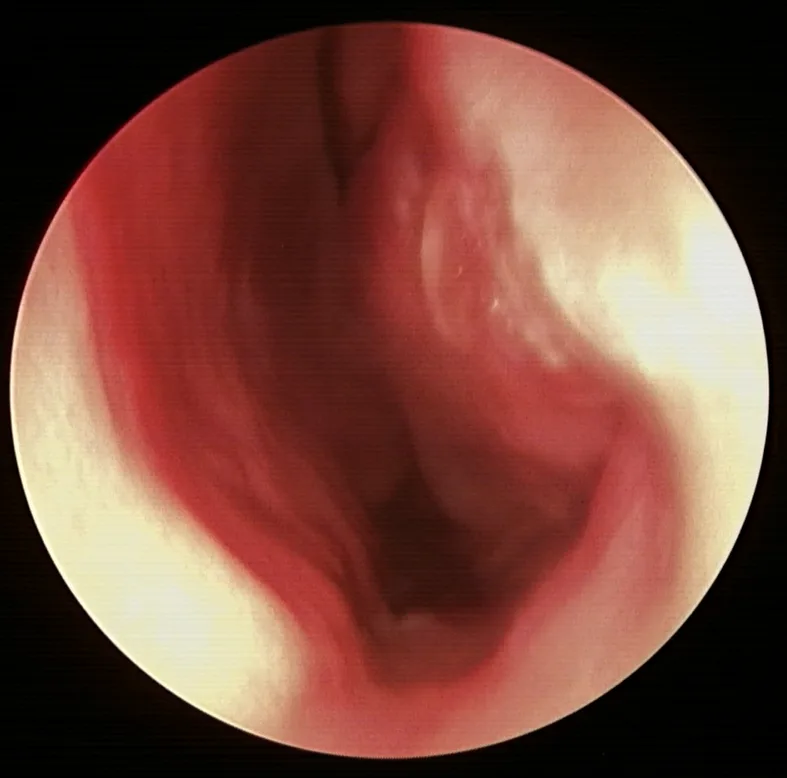
Radiofrequency treatment of the nasal turbinates
Nasal obstruction is the leading cause of breathing difficulties and discomfort. In some cases the breathing problems are mild; in others, however, partial blockage of the airway can lead to serious medical episodes such as anxiety and panic attacks, loss of consciousness and cardiac problems.
Traditionally, treatments for obstruction of the nasal valve were lengthy. Surgical procedures to remove the tissue causing the blockage were the standard.
With the continuous technological advances in this field, ENT specialists now have far less invasive yet highly effective procedures that can modify the nasal valve and treat nasal obstruction, without the need for extensive surgery.
Radiofrequency treatment for reshaping the nasal turbinates is one such modern technology.
The nasal valve
Most of the air that enters our body comes in through the nose, where it is filtered, warmed and humidified before it reaches the lungs.
The narrowest, and therefore the limiting, anatomical part of the nasal airway is the nasal turbinate, made up of mucous membrane and cartilage. Any change or displacement of the tissue in this area of the nasal valve can cause symptoms of nasal obstruction or congestion.
In the past, when the tissues of the nasal valve grew or enlarged, they were treated by surgically removing tissue or by inserting an implant to open the valve. Radiofrequency treatments open up the passage without the need for either of these invasive solutions.
Radiofrequency treatment
In many cases of turbinate obstruction, the cells and tissues of the nasal valve grow and enlarge, restricting airflow.
With the new radiofrequency technology, low-temperature, non-destructive energy is focused on the tissues and membranes of the nasal valve. This energy causes them to shrink, reducing the volume of these structures and increasing the space available for airflow.
Surgeons use the radiofrequency device, which looks like a slim wand, together with a micro-camera in order to position it inside the patient's nose. The radiofrequency energy is then applied to the obstructing tissue of the nasal valve, that is, to the nasal turbinates.
The treatment is quick, it is carried out in our clinic (with no need for a hospital stay, the patient goes home immediately) and the results are visible right away. A single radiofrequency treatment can resolve obstruction of the nasal valve effectively and elegantly.