Aesthetic ear surgery (otoplasty)

Otoplasty (ear surgery)

Otoplasty, the reshaping of the ears, improves the position, shape or proportion of the ear and brings the ears into balance with the face, in children and in adults.

  • 5years, the guideline age for childrenor once the child's cartilage is developed enough for correction
  • 4steps of the procedureanaesthesia, incision, closure of the incision and the final result
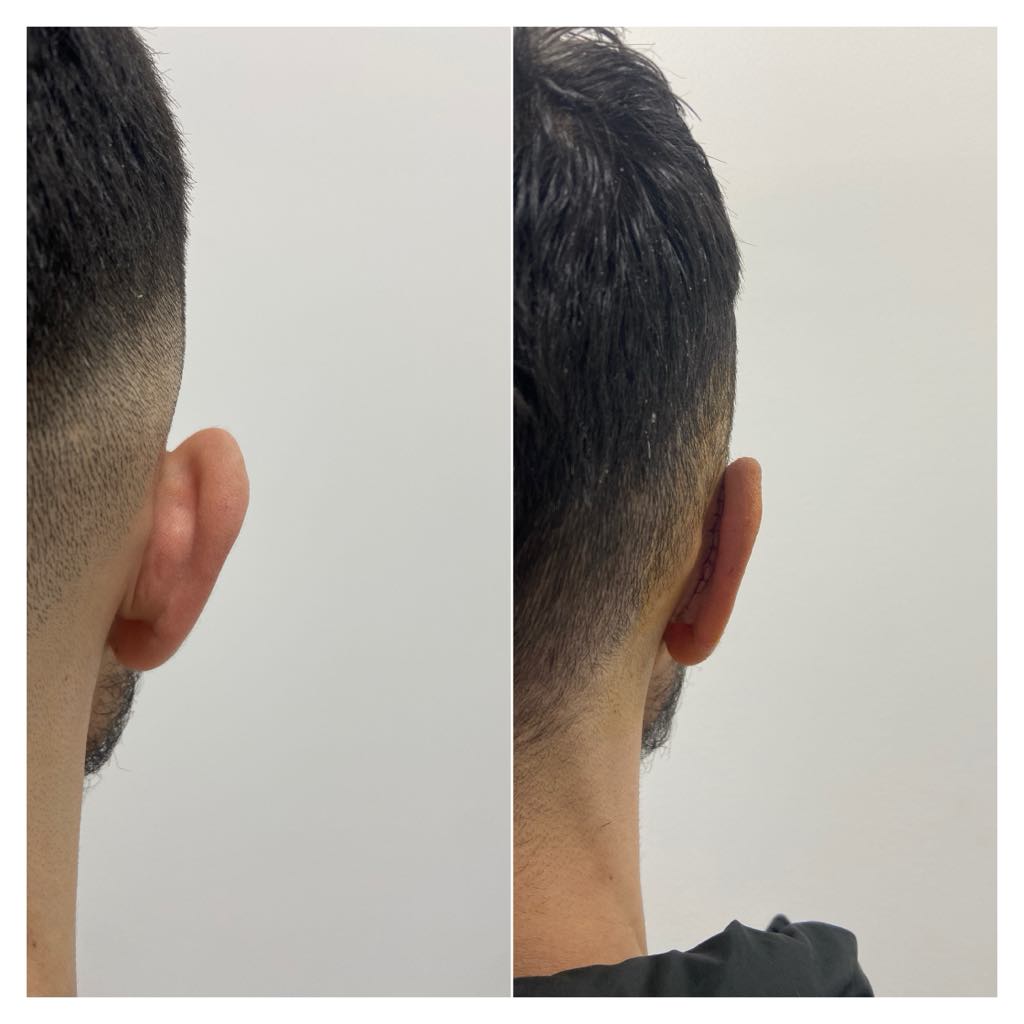
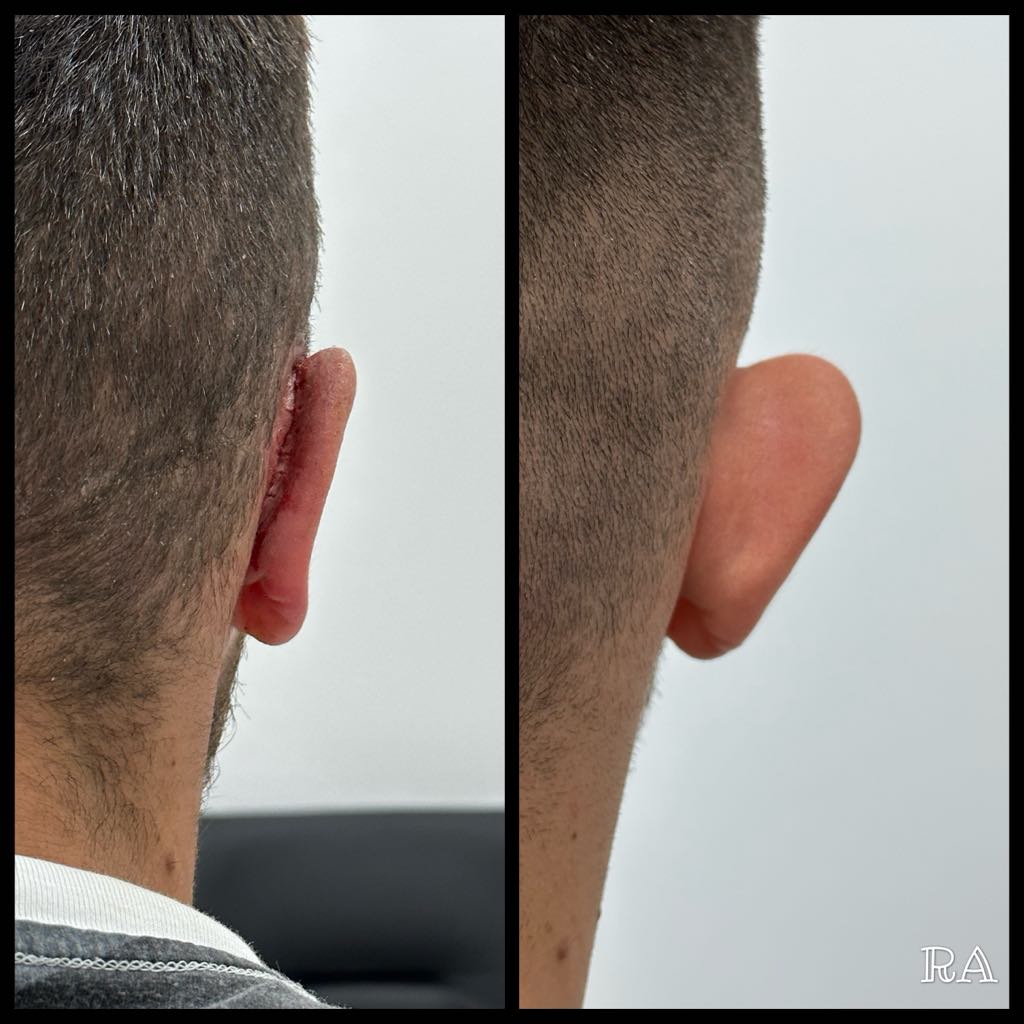
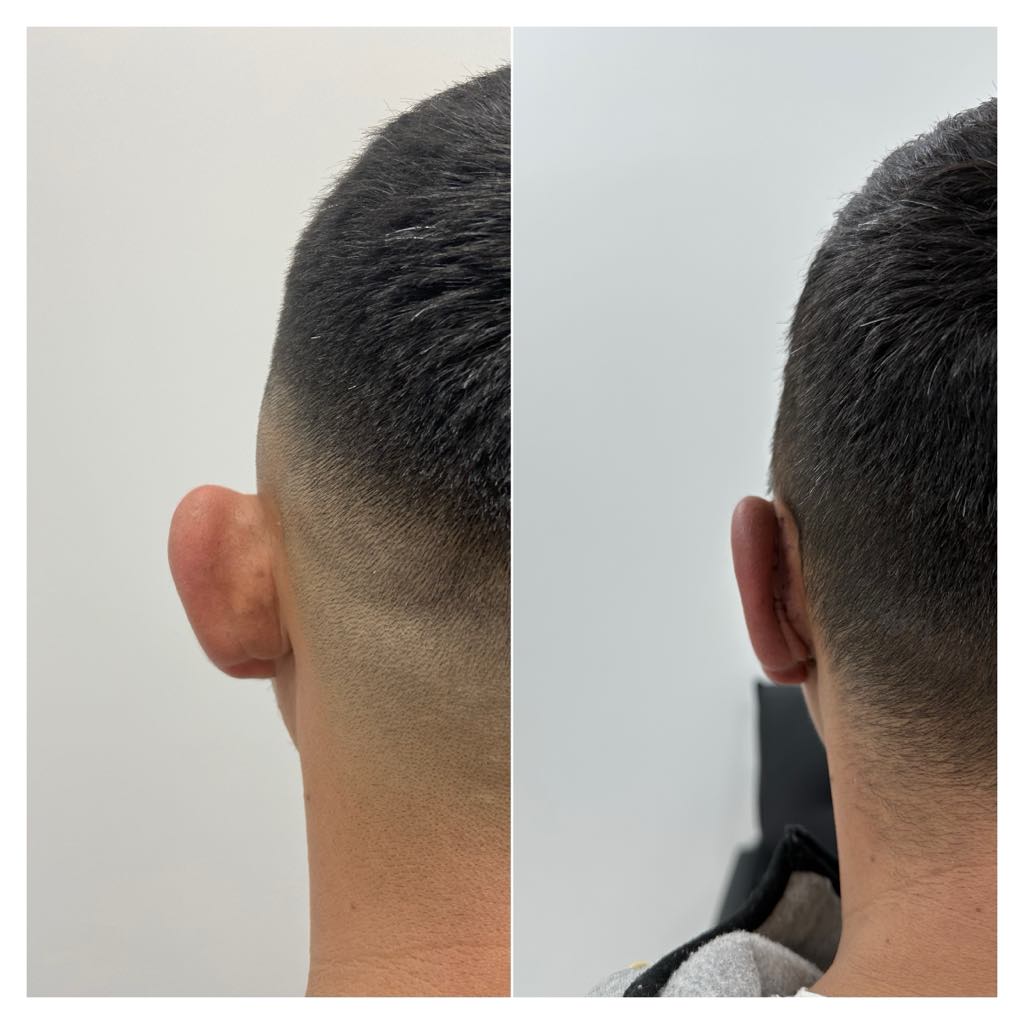
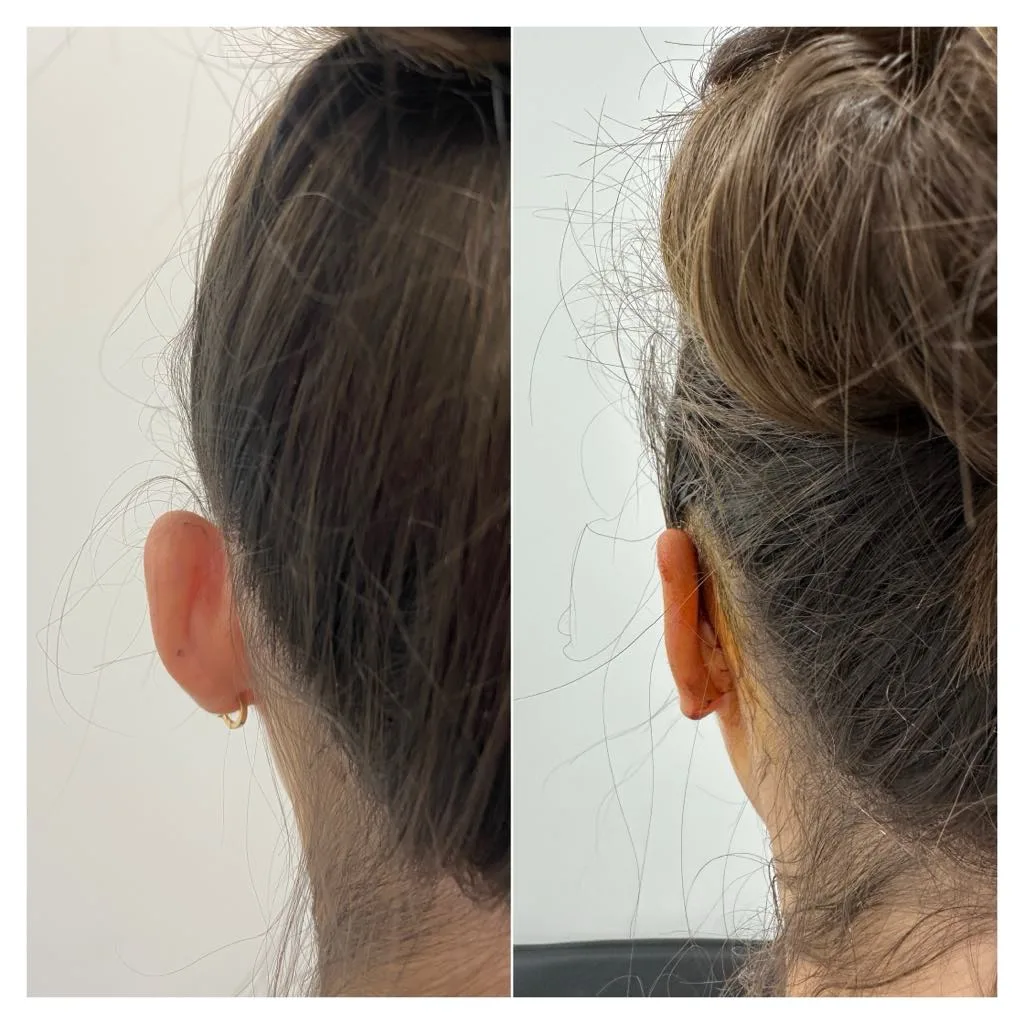
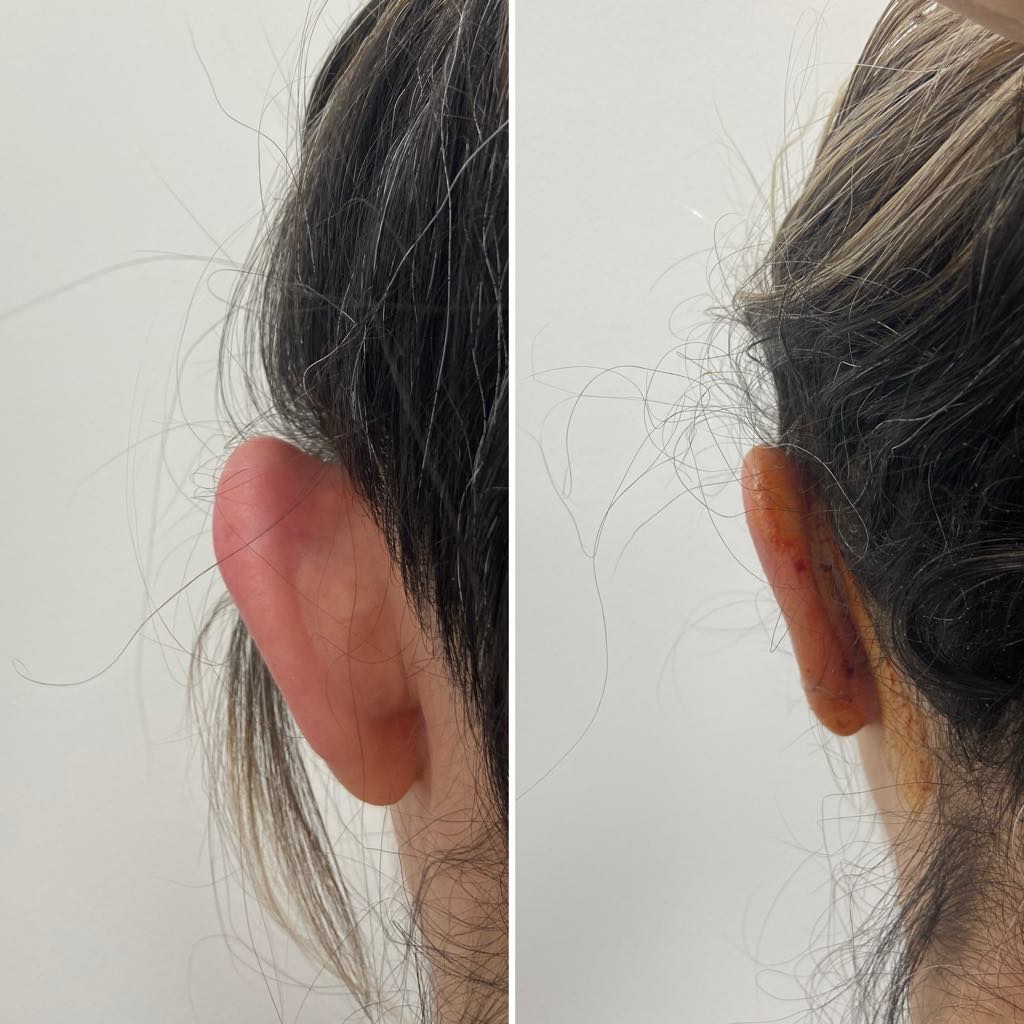
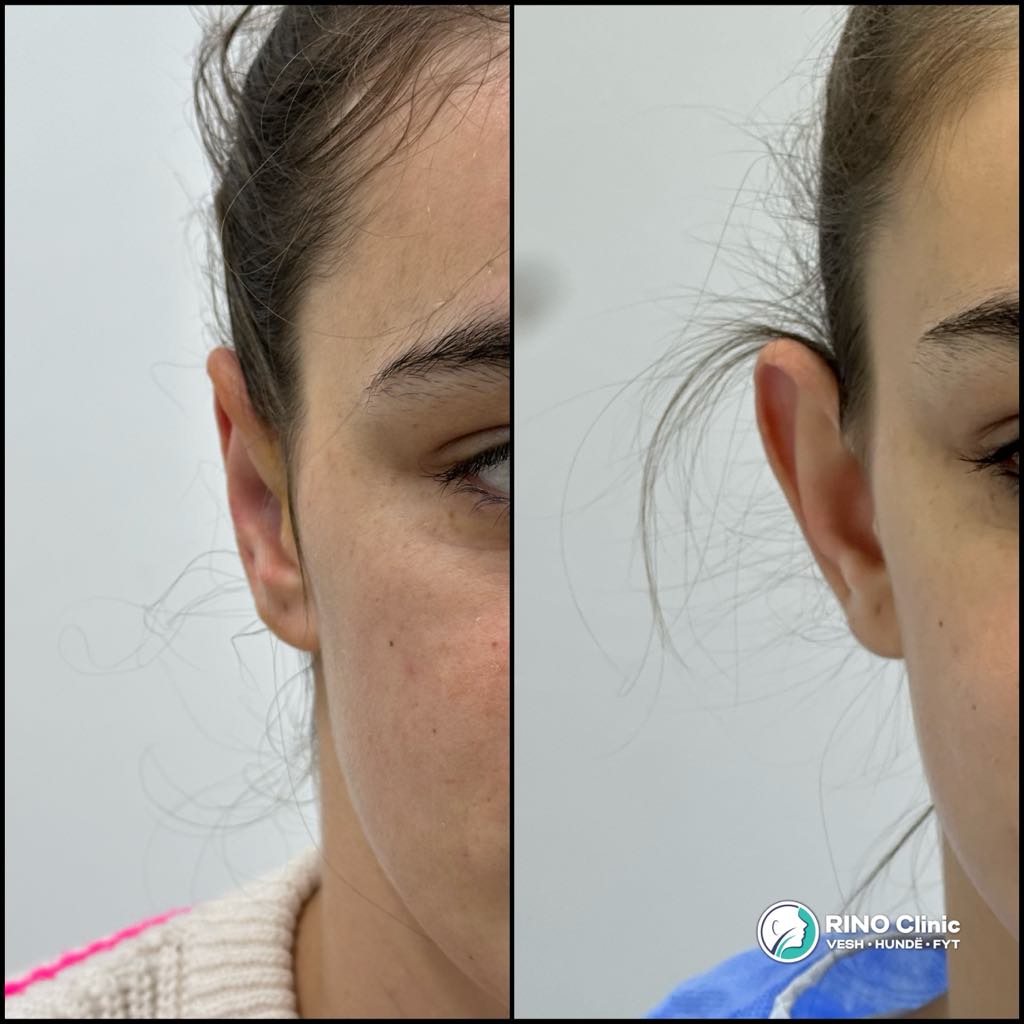
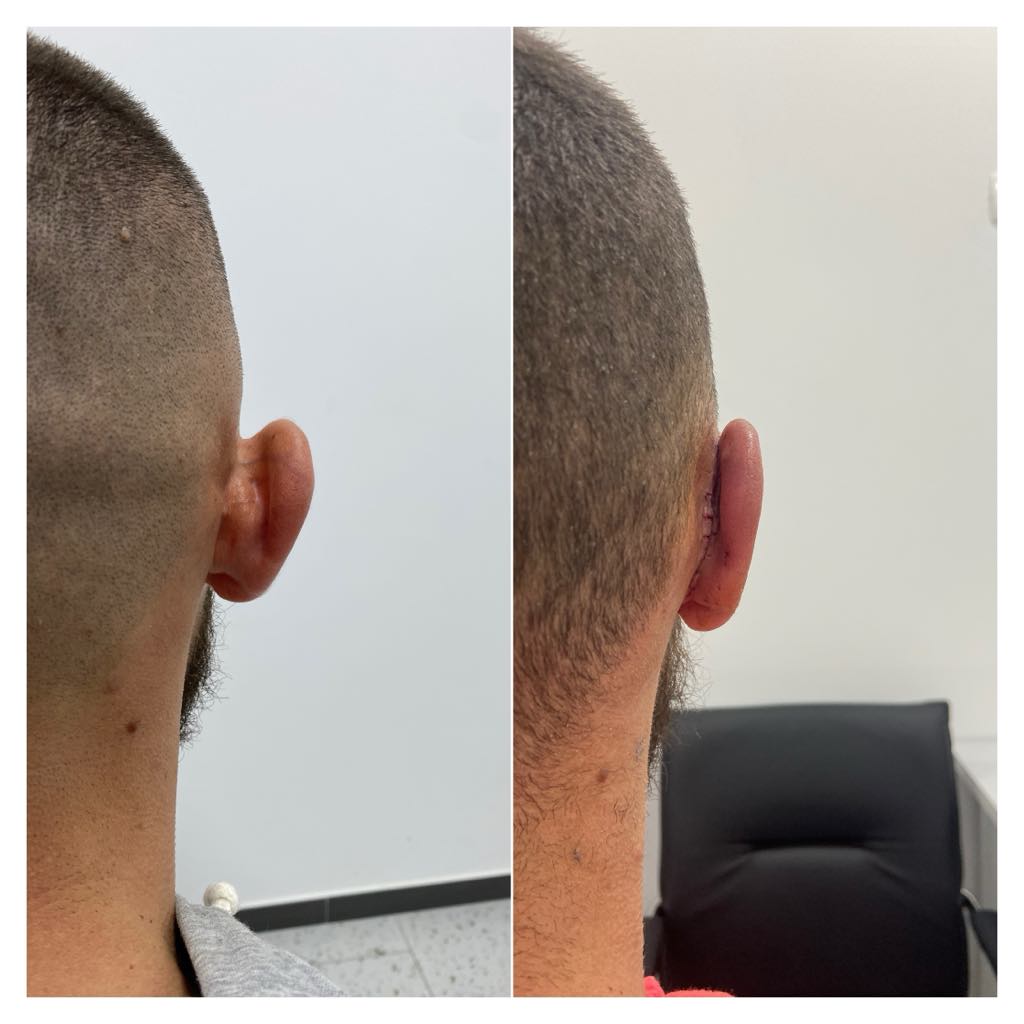
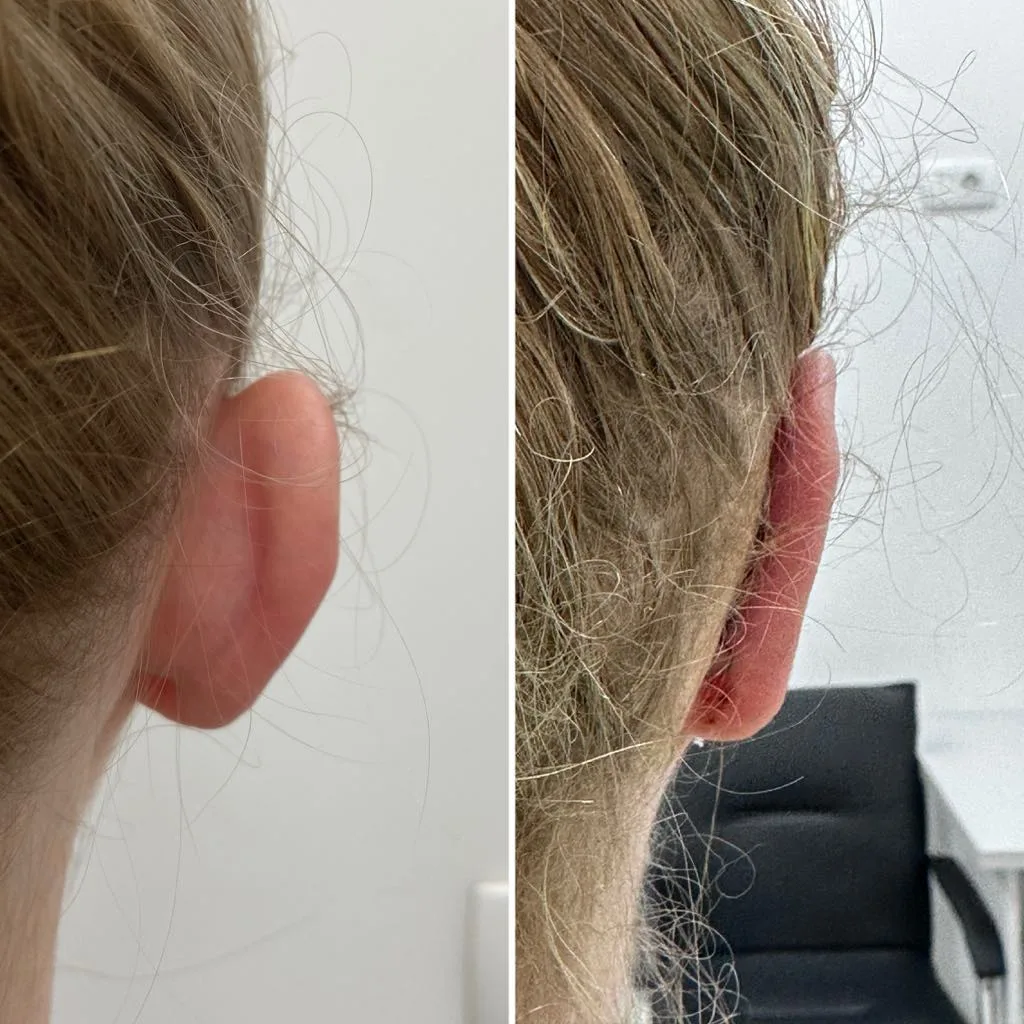
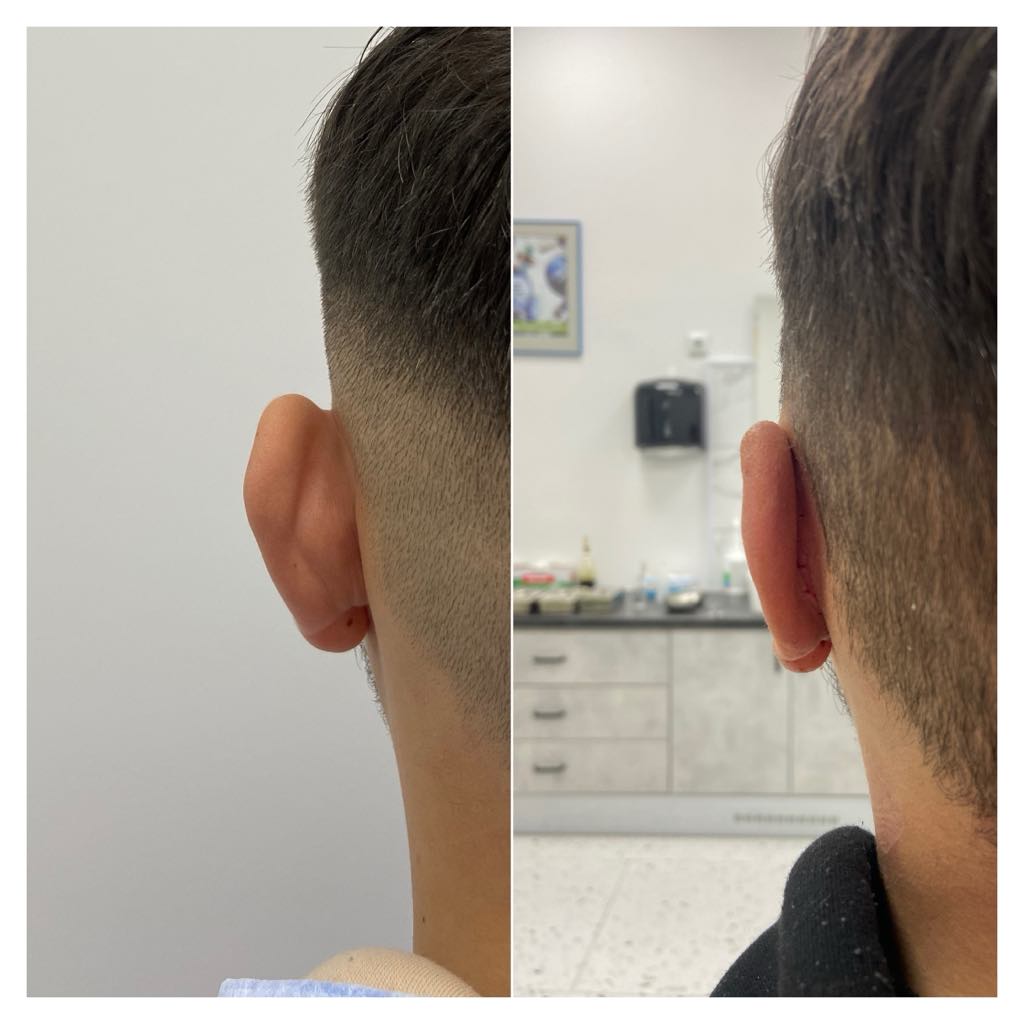
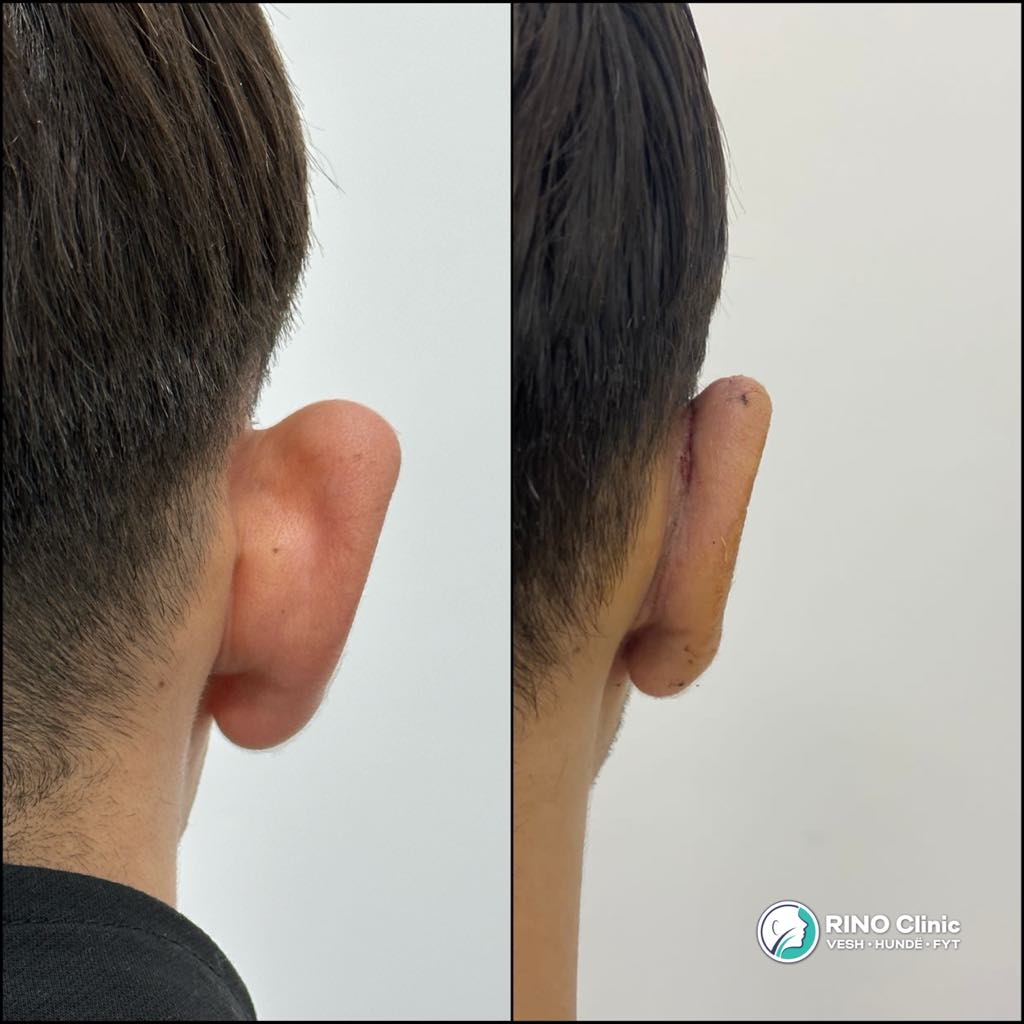
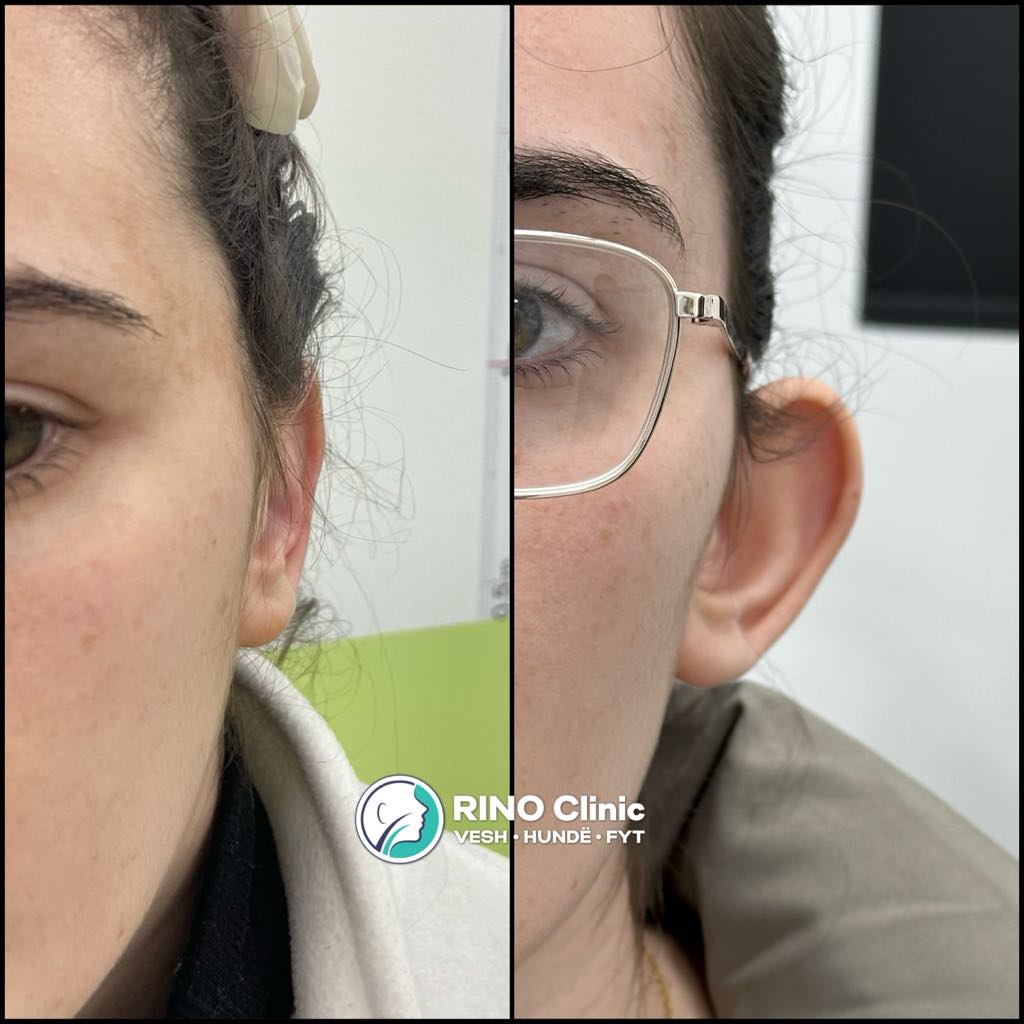
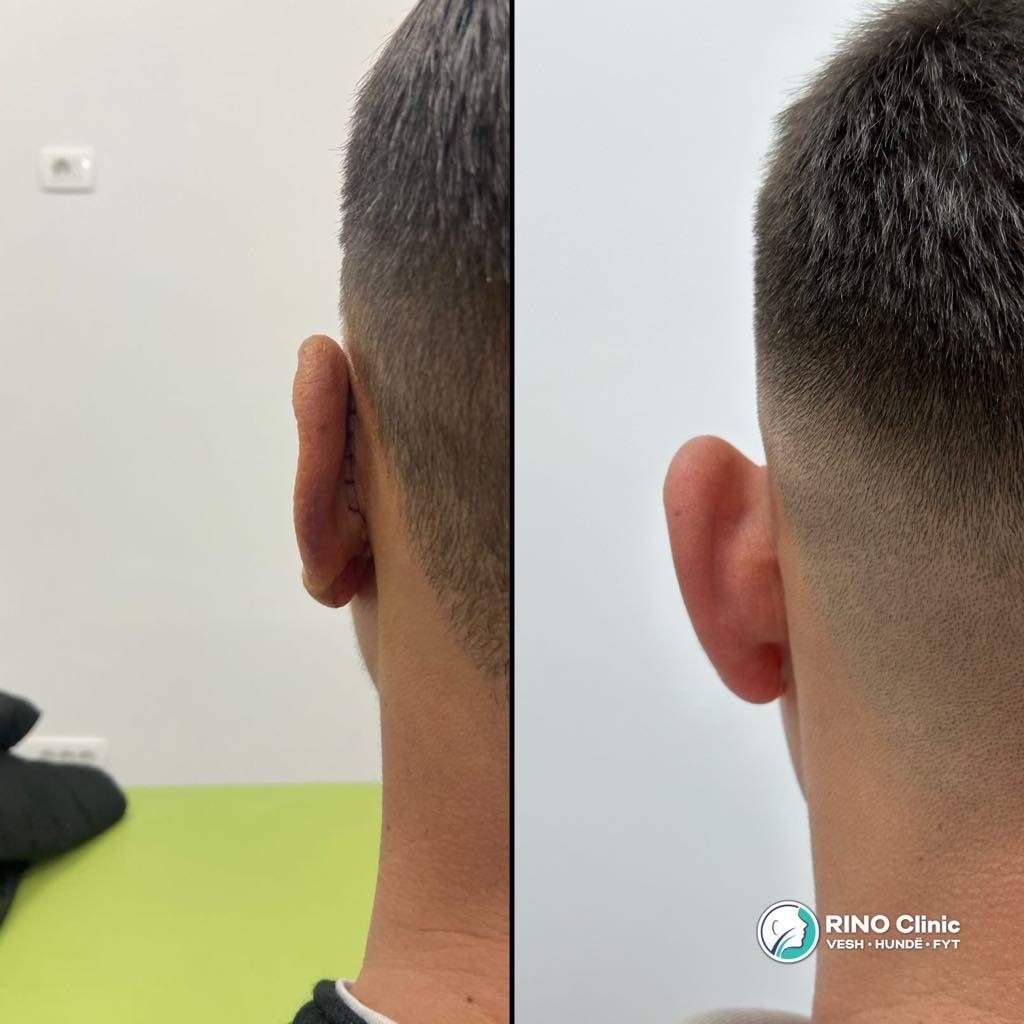
  • 12before/after resultsin the gallery on this page

What otoplasty is


If protruding ears bother you or your child, surgical correction may be worth considering. Ear surgery, also known as otoplasty (ear reshaping), can improve the position, shape or proportion of the ear. It can correct a defect in the structure of the ear that is present at birth and becomes noticeable as the child grows, or a deformity caused by an injury.

Ear surgery creates a natural shape, bringing the ears into balance and proportion with the face. Correcting even minor irregularities can make a difference to your appearance.

When ear surgery helps


The most common reasons for which otoplasty is performed.

  • Overly large ears (macrotia)
  • Ears that stand out to the side, protruding ears
  • Asymmetry or malformation of one or both ears
  • Asymmetry of the folds of the ear cartilage
  • Dissatisfaction with previous ear surgery

Who is a good candidate


Children

Children who are good candidates for ear surgery

  • Healthy, with no life-threatening illness and no untreated chronic ear infections
  • Generally five years old, or once the child's cartilage is developed enough for correction
  • Cooperative and able to follow instructions properly
  • Able to communicate how they feel and who raise no objections when the operation is discussed
Teenagers and adults

Teenagers and adults who are good candidates for ear surgery

  • Healthy individuals with no life-threatening illness or medical conditions that could impair healing
  • Individuals with a positive outlook and specific goals, prepared for ear surgery

Ear surgery is an individual procedure, one you should decide on for yourself, not in order to fulfil someone else's wishes or to try to match your appearance to someone else.

Before/after results


A selection of otoplasty results.

Preparing for ear surgery


Before the operation, you will be asked to:

  • Have laboratory tests and a medical assessment
  • Take certain medicines or adjust your current medication
  • Stop smoking, which is strongly recommended
  • Avoid aspirin and certain anti-inflammatory medicines, as well as herbal supplements that can increase bleeding

The specific instructions you receive will cover:

  • What to do on the day of the operation
  • The use of anaesthesia during the procedure
  • Aftercare following the operation

Plastic ear surgery is discussed with you in relation to the procedure itself. Depending on the type of surgery you undergo, you will receive clear explanations about how the operation is performed, including where it will take place.

Facts, risks and questions


Facts

The decision to have ear surgery is an extremely personal one, and you need to decide whether the possible risks and complications are acceptable to you. The surgeon or a member of the team will explain in detail the risks associated with the operation.

Questions

It is very important to ask your plastic surgeon questions about your procedure. It is natural to have concerns about the change ahead of you or to feel stress before the operation. Please do not feel embarrassed to talk about your feelings with your plastic surgeon.

Risks

  • Haematoma
  • Keloid
  • Infection
  • Hypertrophic scarring and keloid formation
  • Swelling
  • Anaesthesia risk
  • Allergy
  • Pain, which may persist

The operation


The four steps of the procedure, from anaesthesia to the final result.

  1. Anaesthesia

    Local anaesthesia, or local anaesthesia with sedation, is usually preferred.

  2. Incision

    The incisions are made on the back of the ear and, once the cartilage has been scored and folded, a thin strip of skin is removed. The parts of the auricular cartilage are then reshaped and repositioned with several sutures.

  3. Closing the incision

    An external suture closes the incision. The scars always remain only on the back of the ears and are completely inconspicuous.

  4. The final result

    Ear surgery gives an immediate result for protruding ears; the change is visible as soon as the final stage is completed.

Would you like a consultation about otoplasty?

Book an appointment or call us: Monday to Friday 10:00–18:00, Saturday 9:00–12:00. Are you coming from Germany, Switzerland or Austria? See how treatment is organised for patients from abroad.