
Audiology

Your hearing matters

Our audiology practice is dedicated entirely to the diagnosis and treatment of disorders of the ear.

Hearing loss can occur at any age, in anyone, for a wide range of reasons. Hearing is one of the few senses that works continuously. Because our hearing is such a vital sense, it deserves particular attention. Please follow the links below to learn more.

  • 3parts of the earouter, middle and inner ear
  • 4types of hearing lossconductive, sensorineural, mixed, central
  • 4degrees of hearing lossmild, moderate, severe or profound

Clinic services for your hearing


From the first hearing test through to rehabilitation: everything in one clinic.

Audiometric hearing test at the clinic
Audiometric testing determines the type and degree of hearing loss.

Audiometric testing

Audiometric testing (hearing test) to determine the type and degree of hearing loss.

Tinnitus assessment

A tinnitus assessment usually includes a hearing evaluation, specific tinnitus questionnaires and measurement of its pitch, loudness and how easily it can be masked. Further specialised tests may be required.

Otoacoustic emissions (OAE)

Otoacoustic emissions (OAE) testing provides information about the hair cells in the inner ear. OAEs are suitable for patients undergoing ototoxic treatment, individuals with tinnitus and patients who are difficult to test: newborn babies, young children, patients who attempt to feign a hearing loss (i.e. malingering) and populations with developmental delay.

Assistive listening devices

Devices that can support successful communication and listening (for example amplified telephones, television headsets and similar).

Hearing rehabilitation

Hearing rehabilitation services are provided at our clinic and focus on adjusting to hearing loss, making the best use of hearing aids, exploring assistive devices that may help, managing conversations and improving communication.

Hearing loss


Hearing loss has many different causes and presentations. It may be sudden or gradual. It may affect one ear or both ears. It may be temporary or permanent. It occurs in people of all ages and is associated with the ageing process. Before discussing the causes of and treatments for hearing loss, it is important to understand how hearing works.

How we hear

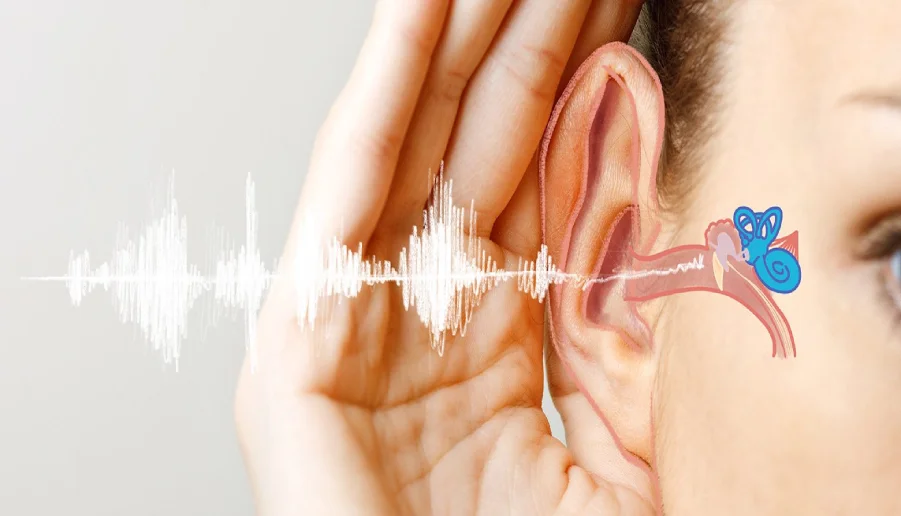
The ear has three parts: the outer ear, the middle ear and the inner ear. Each section helps to move sound through the hearing process. When a sound occurs, the outer ear carries it along the ear canal to the eardrum. The sound causes the eardrum to vibrate. This in turn causes three small bones inside the middle ear (malleus, incus, stapes) to move. This movement travels into the inner ear (the cochlea), where it causes tiny hairs to move within a fluid. These hairs convert the movement into hearing signals, which are then transmitted to the brain, where the sound is registered.

Causes of hearing loss

Hearing loss occurs when sound is blocked in one of the three areas of the ear. The most common cause of hearing loss, and one of the most preventable, is exposure to loud noise. Infections, whether of the ear or elsewhere in the body, are also a major contributor to hearing loss.

  • In the outer ear: a build-up of earwax, infections that cause swelling, a growth in the ear canal, injuries or birth defects can all limit hearing in the outer ear.
  • In the middle ear: fluid build-up is responsible for the most common infections and blockages of the middle ear. Fluid in the middle ear prevents the bones from processing sound properly. Tumours, both benign and malignant, can also result in hearing loss in the middle ear.
  • In the inner ear: the natural ageing process reduces hearing through damage to the cochlea (the mechanism that converts sound vibrations into signals for the brain), the vestibular labyrinth (which regulates balance) or the acoustic nerve (the nerve that sends sound signals to the brain). In addition, inner ear infections, Meniere's disease and other nerve-related problems contribute to hearing loss in the inner ear.

Other causes of hearing loss

  • Presbycusis: age-related hearing loss, such as difficulty hearing in noisy places, difficulty understanding what people say, or no longer registering softer sounds.
  • Hereditary and genetic causes: there is a wide variety of genetic or inherited diseases and syndromes that can cause hearing loss. Some, such as rubella (German measles), occur when a pregnant mother has the illness, which causes hearing loss in the baby. Other, rarer hereditary and genetic causes include CHARGE syndrome, Connexin 26 disorder, Goldenhar syndrome, Treacher Collins syndrome, Usher syndrome, Waardenburg syndrome and otosclerosis (the growth of spongy bone tissue in the middle ear).

Most causes of outer ear hearing loss can be corrected. However, middle and inner ear problems can lead to permanent hearing loss, which is why it is important to seek medical care promptly if you have problems with your hearing.

Types of hearing loss

There are four types of hearing loss:

Conductive hearing loss
Caused by conditions that block the transmission of sound through the outer ear and the eardrum into the middle ear.
Sensorineural hearing loss
Damage to the inner ear that occurs as part of the natural ageing process.
Mixed hearing loss
Refers to people who have both conductive and sensorineural hearing loss. Most people experience more than one type of hearing loss.
Central hearing loss
Occurs when the central nervous system fails to send a readable signal to the brain; this is known as central auditory processing disorder. People with central hearing loss can generally hear all sounds, but cannot separate or process them.

Hearing loss is measured in four degrees: mild, moderate, severe or profound. The degree of hearing loss guides the choice of the most suitable form of treatment, case by case.

Treatments for hearing loss

The location, type and degree of hearing loss influence the choice of treatment for each hearing problem. The most common treatment options include:

  • Antibiotics, decongestants and pain medication to overcome ear infections.
  • Myringotomy, an incision in the eardrum that allows fluid to drain from the outer ear. A tube may be placed in the Eustachian tube (the part of the anatomy that connects the middle ear with the back of the throat) to keep it open and allow normal drainage of fluid. This technique may be recommended for people who develop frequent ear infections.
  • Hearing aids.
  • Surgery to remove benign or malignant tumours, or to correct problems related to the bones or the nerves.

If you experience sudden or prolonged hearing loss together with dizziness, fever or pain, please contact our clinic immediately and arrange an appointment with one of our ENT specialists. We will carry out a physical examination as well as a hearing test to determine the type and severity of your hearing loss. We will then recommend the most suitable treatment.

Noises in the ears


Many people experience tinnitus: a ringing, buzzing or other type of noise that appears to originate in the ear or in the head. In most cases tinnitus is not a serious problem and can be managed, or it often becomes less troublesome over time.

Tinnitus is not a disease, but a symptom of an underlying condition. One of the most common conditions associated with tinnitus is high-frequency hearing loss due to age and/or noise exposure. Tinnitus is also associated with conditions such as wax in the outer ear canal, fluid or infection in the middle ear, Eustachian tube dysfunction, otosclerosis (fixation of a middle ear bone), Meniere's disease (a condition affecting hearing and balance) and problems beyond the inner ear, such as acoustic neuroma (a small, rare, benign tumour of the balance nerve). Medications can also cause tinnitus, including aspirin, Naprosyn, Lasix, quinine, aminoglycoside antibiotics and erythromycin, as can kidney transplantation and dialysis. If head noises persist, particularly if they affect one side or are accompanied by hearing loss or dizziness, medical attention is recommended.

In addition to a complete ENT examination, further tests may be needed to look for any treatable cause of tinnitus. Hearing tests reveal patterns of hearing loss caused by conditions that are often associated with tinnitus. Patients frequently have no symptoms of hearing loss, yet hearing tests reveal a loss at very high frequencies that are not usually used in everyday conversation. This is often the cause of tinnitus. Blood tests and imaging scans may also be required to look for rare but treatable causes of tinnitus. MRI can detect acoustic neuromas and other conditions of the central nervous system. Closed MRI machines are preferred to the open type in order to ensure optimal imaging.

Treatment

Tinnitus with an obvious cause, such as an object in the ear canal or a middle ear infection, can usually be treated easily. Unfortunately, tinnitus is usually associated with conditions for which there is no treatment. The noise can often be particularly troublesome at night, when everything is quiet. Maskers that produce low background noise can be purchased to help draw your attention away from the tinnitus at night. A radio left on at night at low volume between stations, producing background static, or a white noise machine can be used for the same purpose. For tinnitus associated with significant hearing loss, hearing aids may help.

What to avoid: diet, household products and medication
  • Diet: eliminate the use of caffeine, salt, cider vinegar, soft drinks and alcohol.
  • Household products: eliminate the use of perfumes, antiseptics, cleaning chemicals and sun creams.
  • Prescription medication: reduce or eliminate the use of medicines that list tinnitus as a side effect or that have a toxic effect on the ear.
  • Over-the-counter medication: reduce or eliminate the use of aspirin or aspirin-type products (Empirin, Ecotrin, Bufferin, ibuprofen, Motrin, Anacin, Midol, Pepto Bismol and Aleve) and of certain antihistamines.
Medications used for tinnitus

Anti-anxiety medications, anticonvulsants and tricyclic antidepressants are groups of medicines used to treat a variety of conditions, including depression, anxiety, seizures, panic, pain, muscle spasms, dizziness and tinnitus. Brand names include Ativan, Klonopin, Tranxene, Tegretol, Librium, Xanax, Wellbutrin, Paxil, Triavil, Elavil, Zoloft, Atarax, Sinequan and Valium. Varying degrees of success for tinnitus have been reported with these medicines. Caution is required: some of these medicines can be habit-forming or lead to dependence.

Other and alternative treatments

Medical intervention in the treatment of tinnitus has moved beyond the field of traditional treatments. Other approaches include ultrasound current, electrical stimulation, acupuncture, hypnosis, biofeedback, sound therapy (tinnitus retraining), desensitisation therapy (Neuromonics tinnitus treatment), amplification (hearing aids), cognitive therapy and placing magnets near the ear. These treatments have not been scientifically proven to be effective, but some patients report that they help. Some people find relief from tinnitus through the use of herbs such as Ginkgo biloba and kava kava, hormones such as melatonin, and megadoses of over-the-counter (OTC) vitamins and minerals such as Lipo-Flavonoid Plus™ and Arches Tinnitus Relief Formula™.

Are you having problems with your hearing?

Book an appointment or call us: Monday to Friday 10:00–18:00, Saturday 9:00–12:00.