
Introduction:
Early diagnosis of hearing problems is an important step for the healthy development of children and for the overall well-being of people of every age. One of the most advanced and reliable tests for assessing hearing is the BERA/ABR test (Brainstem Evoked Response Audiometry / Auditory Brainstem Response). In this article we look at how this test works and why it is so valuable for the early diagnosis of hearing loss.
What Is the BERA/ABR Test and How Does It Work?
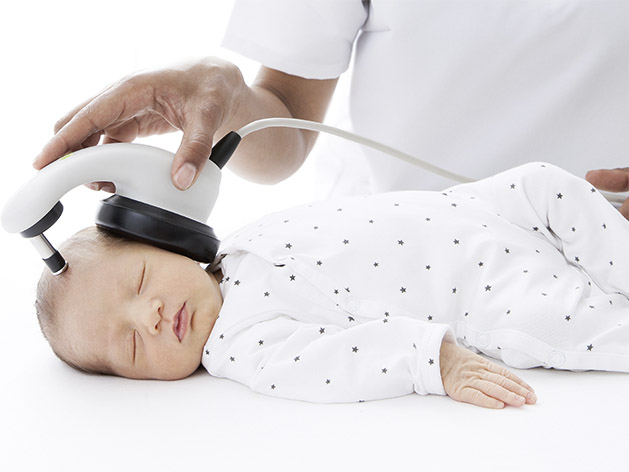
The BERA/ABR test is a diagnostic method that measures the brain's response to sound stimuli. Through adhesive electrodes placed on the patient's head and near the ears, the BERA/ABR equipment records the neurological signals that show how the nervous system responds to different sounds. The test is non-invasive and painless, and it is usually performed on infants and children who find it difficult to communicate or to give a subjective response.
The Main Benefits of the BERA/ABR Test in Early Hearing Diagnosis
1. Detecting Hearing Disorders Early
In infants and young children, hearing loss may not be easy to identify with conventional methods. The BERA/ABR test is highly accurate and can detect hearing impairment as early as the first weeks of life. Early diagnosis is decisive, as it has a direct influence on the development of a child's speech, language and communication skills.
2. Objective Results That Do Not Depend on the Patient's Response
BERA/ABR is an objective test and requires no conscious response from the patient. This is a major advantage for young children and for people with disabilities, since the brain's response is measured directly, without the need for active cooperation. That makes the test suitable for infants, children and adults with developmental or neurological disorders.
3. Advanced Diagnosis of Neurological Problems Related to Hearing
BERA/ABR also provides a complete picture of the neurological function associated with hearing. The measurements obtained with this test can help identify problems in the brain and damage to the auditory nerve, which may be the cause of hearing loss. Identifying such neurological problems early makes appropriate intervention possible and helps to stop or slow the progression of the damage.
Why Is Early Diagnosis So Important?
Early diagnosis of hearing impairment is essential for a child's optimal development. Children with untreated hearing loss often face difficulties in developing speech and language, which can later affect their social skills, their ability to learn and their further development. BERA/ABR allows this diagnosis to be made early, opening the way to early interventions such as hearing aids or cochlear implants, which significantly improve quality of life and development.
How Does the Patient Prepare for the BERA/ABR Test and What Happens Afterwards?
Preparing for the Test
In general, the BERA/ABR test requires no special preparation. In infants, the test tends to be more effective if the child has been fed and is relaxed, as this helps the baby to sleep during the examination. During the procedure, the patient is placed in a quiet environment and the measuring electrodes are attached to the head and near the ears.
After the Test
The results are analysed by the audiologist and are often available immediately after the procedure. If problems are found, the audiologist recommends further steps for treatment or professional support, such as audiological care, developmental therapy or further assessments.
Conclusion
The BERA/ABR test is one of the most advanced tools for the early diagnosis of hearing impairment and for providing detailed information about the neurological function related to hearing. For families who suspect a hearing problem in their child, or for adults facing sudden hearing difficulties, BERA/ABR can be a valuable and reliable diagnostic solution. Early identification and appropriate intervention can make a great difference to quality of life and to a child's healthy development.