
Strep throat (streptococcal pharyngotonsillitis) is an acute bacterial infection caused mainly by group A streptococcus. It is one of the most frequent causes of sore throat, particularly in children, although it also occurs in adults. Early recognition and correct treatment are essential in order to prevent local and systemic complications.
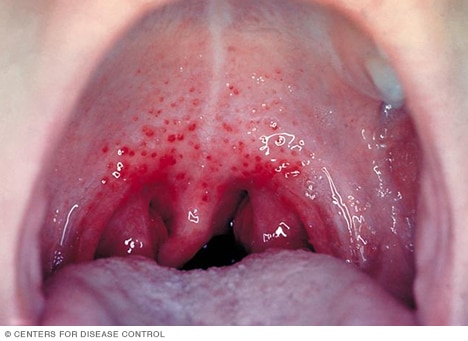

What is strep throat?
Strep throat is characterised by acute inflammation of the lining of the throat and of the tonsils. Clinically, it presents with:
- sudden, severe throat pain
- high body temperature
- reddened, inflamed tonsils, often with purulent exudate
- enlarged and tender lymph nodes in the neck
This infection must be clearly distinguished from viral pharyngitis, as the therapeutic approach is different.
How the infection spreads
The infection is transmitted through:
- respiratory droplets released during coughing or sneezing
- direct contact with infected people
- contaminated objects (dishes, toys, personal items)
The risk of transmission increases in group settings such as nurseries, schools and closed institutions, especially during the cold months.
Clinical symptoms
Symptoms usually appear 2–5 days after exposure and include:
- intense throat pain
- temperature >38°C
- difficulty swallowing
- fatigue and headache
- in children, abdominal pain or nausea may also occur
➡️ The absence of a cough and of a runny nose is an important clue pointing towards a bacterial cause.
Diagnosis
The diagnosis is based on:
- a clinical ENT assessment
- a rapid strep test
- a bacterial culture of a throat swab, in selected cases
An accurate diagnosis is essential for the rational use of antibiotics and for avoiding bacterial resistance.
Treatment
Standard treatment involves antibiotic therapy, selected by the doctor:
- usually penicillin or amoxicillin
- suitable alternatives in case of allergy
📌 The full course must be completed (7–10 days), even if symptoms improve early.
Supportive treatment includes:
- antipyretics and painkillers
- physical rest
- adequate hydration
Possible complications
Without adequate treatment, strep throat can lead to:
- rheumatic fever
- cardiac complications
- post-streptococcal glomerulonephritis
- peritonsillar abscess
These complications make timely treatment and medical follow-up essential.
Prevention
Preventive measures include:
- thorough hand hygiene
- avoiding close contact with infected people
- using personal dishes and utensils individually
- seeking medical advice if suspicious symptoms appear
Professional ENT care
A sore throat accompanied by high fever should not be ignored. A professional ENT assessment and an accurate diagnosis are key to effective treatment and to preventing complications.